

"The hand of a craftsman engaged in his craft is always pure."
In this case, it is the inspiring work of the craftswomen and artisans engaged with Okhai that results in the creation of handicraft products that have nothing but pure and positive intentions! A special thanks to my friend @kometjuice, with whom I spent the past month working at the grassroots level of one of the most ethical NGO’s I know.
I have never before visited a place that felt so serene and exuded such positivity, radiating good vibes 24×7! A place where peacocks are as common as stray dogs, and cows greet you at every corner. Where cycling is second nature and the Milky Way seems just within reach.
Mithapur resembles an oasis in a desolate landscape, with TATA Chemical Plants forming its skyline.
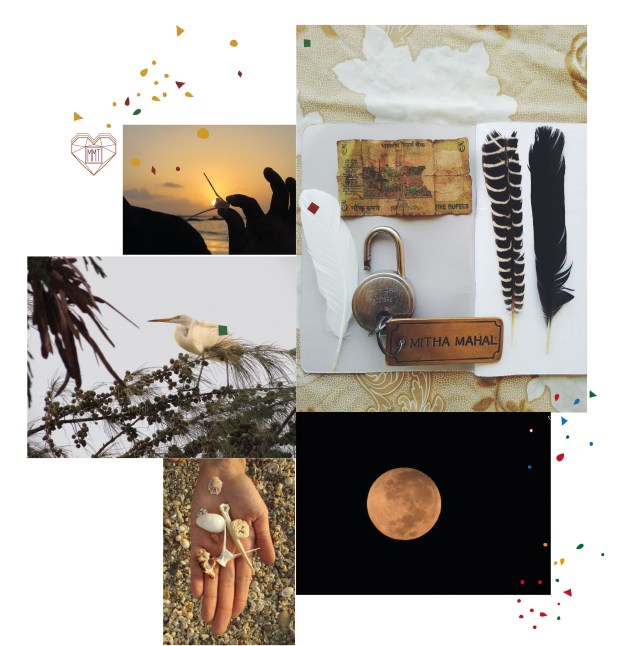
So….. what is this NGO I’m speaking of and how has it captured my heart?
Part 1 | OKHAI | The Brand
The social enterprise with Magical hands & mystic colours.

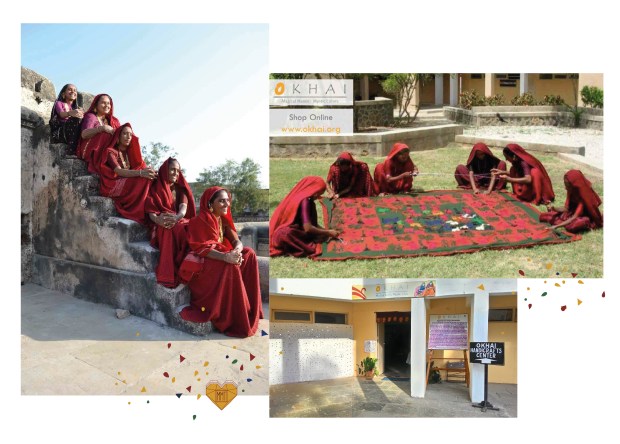
L-R Clockwise : The rabari artisans at Okhai posing for a group picture; Working on a bed cover design in the garden; Mithapur store and workshop centre at the hostel campus
The Okhai Centre for Empowerment aims to generate livelihoods for hundreds of rural artisans and semi-urban women while promoting traditional handicraft techniques that are at risk of becoming obsolete. Tata Chemicals Society for Rural Development (TCSRD) established Okhai with this mission in mind. With the support of TCSRD, numerous self-help groups (SHGs) have been formed in the villages of Okhamandal, where members are trained in modern handicraft production techniques.
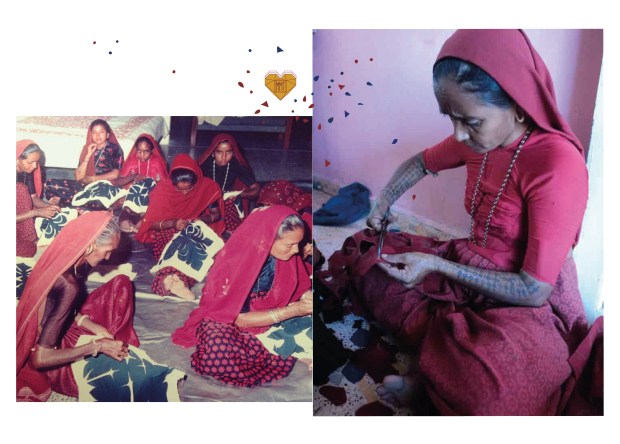
L-R :The artisans in training; Lakhu ben demonstrating her applique cutting skills
Preserving the culture and art.
Over the years, Okhai has expanded its reach to include more rural communities. From Saurashtra handicrafts in Mithapur (Gujarat) to the rich traditions of Karjobi art from Babrala (Uttar Pradesh) and jute culture from Haldia (West Bengal), Okhai showcases the unique cultures of these regions. These traditions, inherited from their forefathers, were at risk of being lost. Okhai’s intervention has helped preserve these art forms and their identities.
Okhai strives to bring the traditions of India to customers around the world with its unique creations and products.
“Tata Chemicals recognises the need for women’s empowerment at the grassroots level and has been facilitating various initiatives for self, family, and societal development. With ‘Okhai’, we have successfully made a remarkable difference in the lives of rural women. It has not only improved their livelihoods but also raised awareness about traditional crafts, helping to preserve a rich part of our national cultural heritage for future generations,” said Ms. Alka Talwar, Head of Community Development at Tata Chemicals Limited.
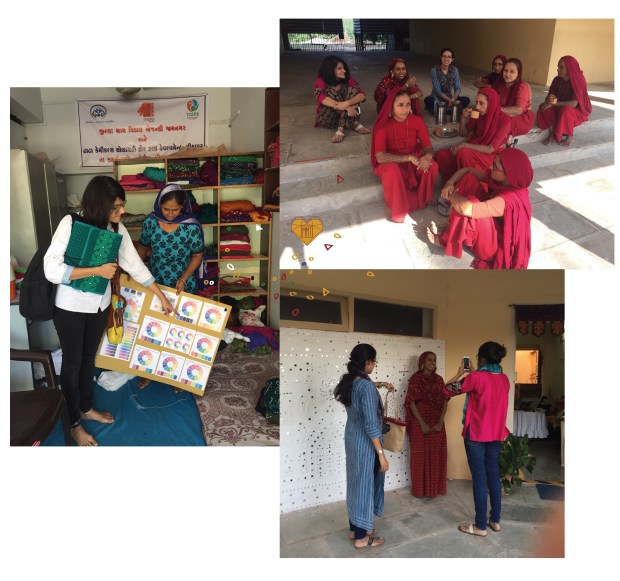
L – R clockwise : Color theory charts . Daily tea breaks with the women . Behind the scenes – portrait photography with Bharmi Ben.
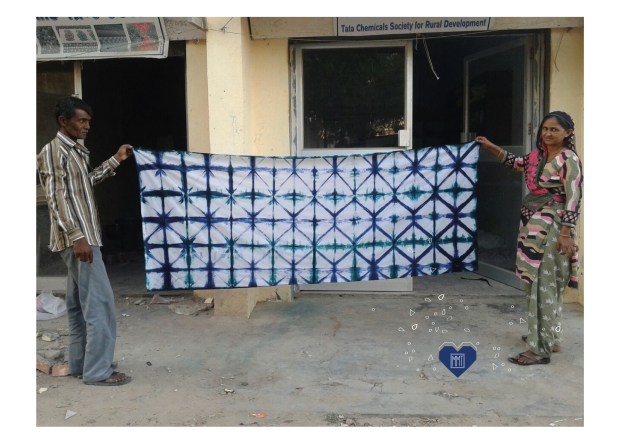
Shibori Dying Samples with Zarina Ben
Our mission was twofold: first, to further train the artisans and SHGs in colour aesthetics, variations in techniques, and quality production. Second, to design a new range of apparel and home décor using excess and unused raw materials.
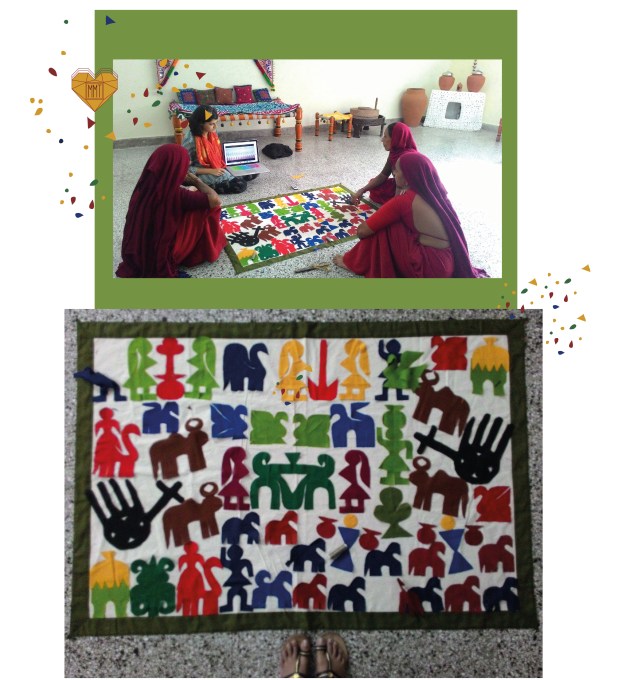
Wall Hanging in making with traditional motives
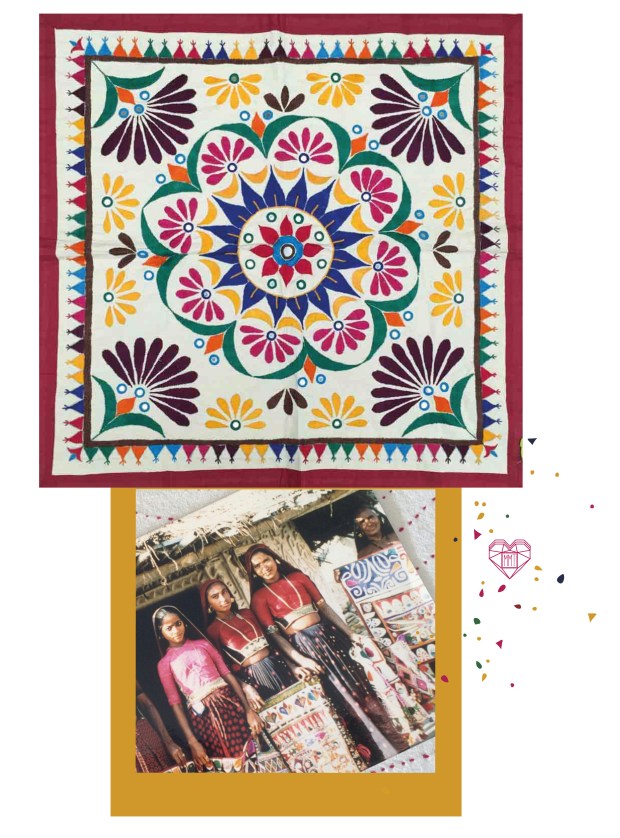
Traditional Embroidery
Part 2 | The WOMEN!
At the heart of Okhai are the remarkable women – both artisans and staff – who are so full of life and warmth that it was an absolute joy to work alongside them.
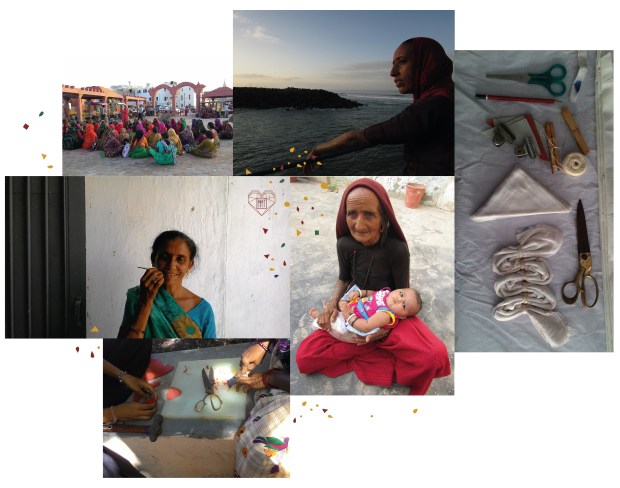
L-R Clockwise : Gathering of women outside the Dwarka Temple; Lakmi ben strikng a pose by the Gomti river at dawn; shibori dying in process; Nani with her granddaughter Radhika; Leather key tags being made

L-R Clockwise : Leather key tags made in training; Laxmi ben and Ayesha wearing the rabari gold and bandhni; Rami ben holding her baby Ganesha’s made of coir
The Rabaris, the most prominent tribe in Okhamandal, are semi-nomadic and known for their survival and adaptation in the arid regions of Gujarat and Rajasthan. Today, they lead a quaint, colourful, and rugged lifestyle that is reflected in their embroidery and crafts.
"Art is not a handicraft, it is the transmission of feeling the artist has experienced." - Leo Tolstoy

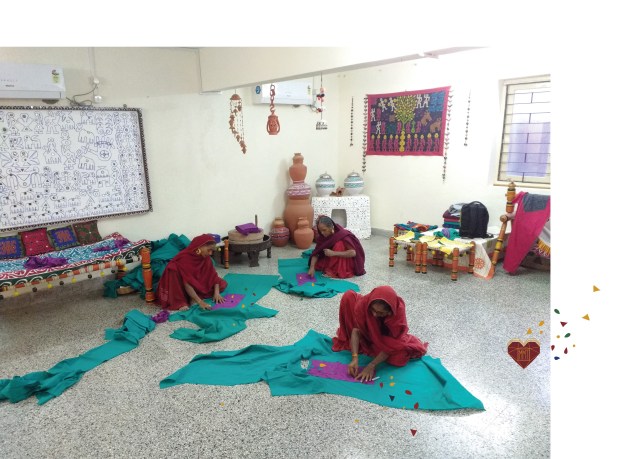
Lakshmi Ben fixing the cut outs onto the base fabric. This process is called Taping
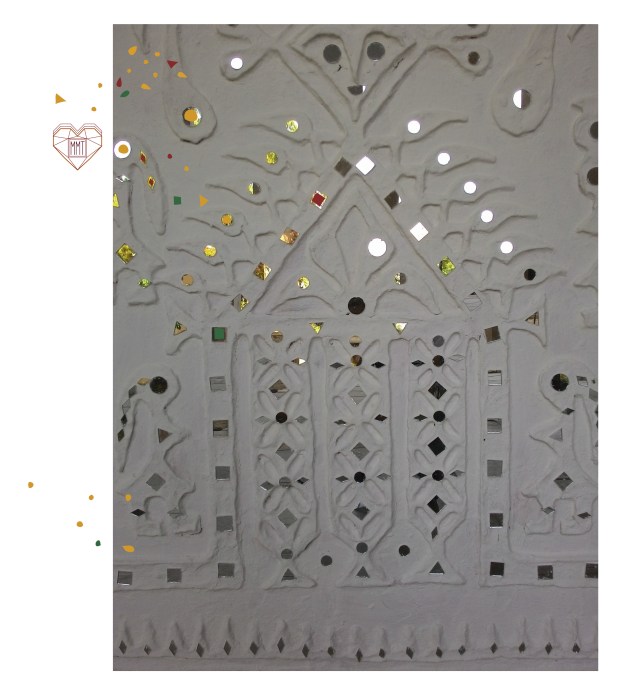
Wall Art depicting traditional motifs made from mud and embellished with mirrors, known as Lippan work, a form of surface design found in Gujarat and Rajasthan.
The intricate embroidery patterns highlight important events, rites, rituals, and values in the Rabari community’s lives. Traditionally, Rabari girls embroider blouses, skirts, veils, wall hangings, pillows, and purses. Recently, this form of art has entered the commercial market. The various forms of artwork in Gujarat include Appliqué, Heer Bharat, Kathi, and Bead Work. Appliqué work, an integral part of decorative needlework in Okhamandal, involves finely cutting pieces of coloured and patterned fabric and sewing them together on a plain background. Watching the artisans cut these intricate patterns with such ease is truly awe-inspiring!
Part 3 | The PLACE!
Mithapur (township) & Okhamandal , Gujarat
'Not a drop of water that falls on Okhamandal should find its way to the sea. If Mithapur gets water to drink, then so shall every human being and every cattle heard in Okhamandal.'-Darbari Shah Seth
When TATA took over the Okha Salt Works in 1939, Mithapur was an undeveloped and desolate area. Privately owned by Tata Chemicals, Mithapur now enjoys urban infrastructure while retaining the beauty of its idyllic surroundings.
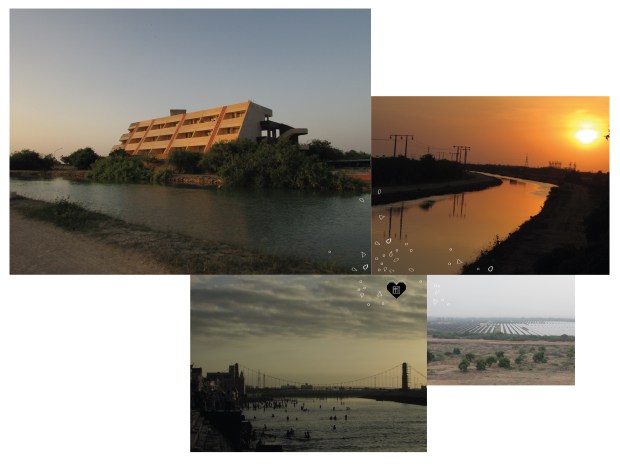
L-R Clockwise : The hostel complex where we stayed; looking over the Gyansagar nadi at sunset ; The pedestrian bridge across the Gomti connecting pilgrims from Dwarkadesh temple to Panchnad
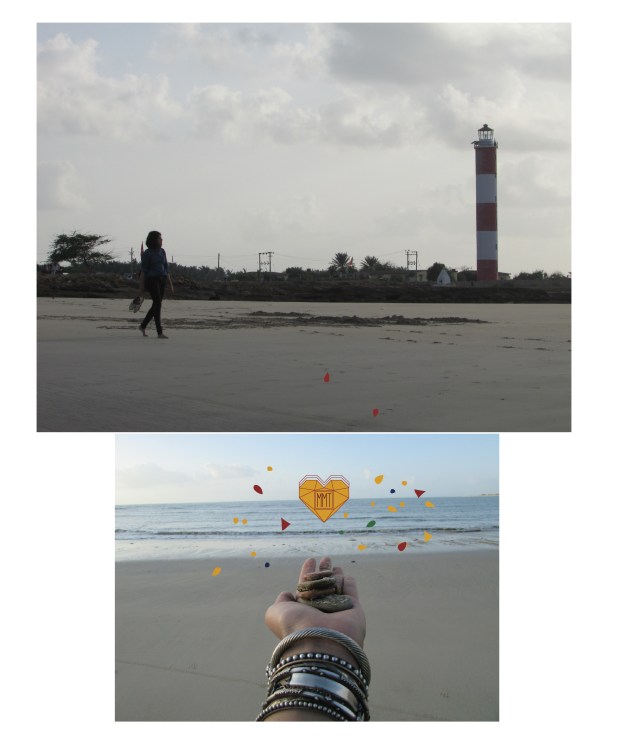
Ayesha and I at the Shivrajpur beach close to Mithapur, where we explored the lighthouse and collected some stones.
The struggles and hardships of establishing a company in pre-independent India, and the efforts of those behind its success, are well-documented in the book SALT OF THE EARTH by Philip Chacko and Christabelle Naronha. It is a great read for those interested in learning more about Tata Chemicals Limited.
We had the opportunity to visit the nearby beaches of Mithapur and Shivrajpur, take a quick tour of Dwarka, and dip our feet in the Gomti River on a new moon day. Absolute bliss.
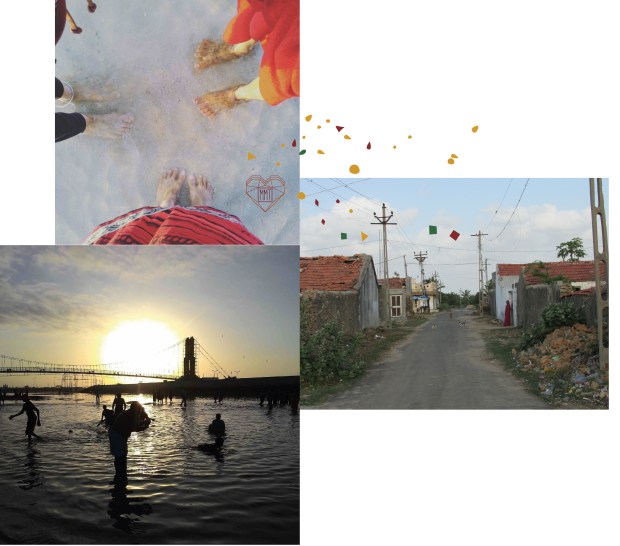
L-R Clockwise : Washing our feet in the Gomti river on poonam; road to shivrajpur beach; People bathing in the Gomti river at dawn of poonam raat (full moon night)
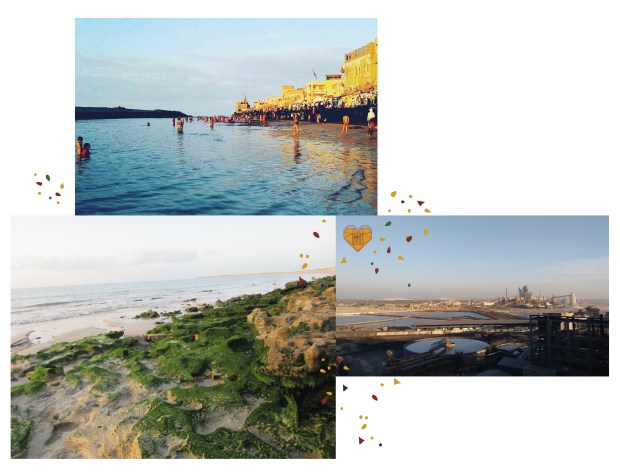
L-R Clockwise : Sun kissed banks of the Gomti river; View from a TATA Plant ; Green landscape at the Shivrajpur beach
This wonderful and blissful experience has left a lasting impression on me. I realise how heavy that sounds, but I’m not exaggerating when I say we instantly fell in love with the people and the place, so much so that we did not miss the city one bit (except perhaps for the occasional craving for good black coffee and cheesecake). There is a sense of purpose and immense joy that you don’t easily experience in a 9-to-5 job. If you ask me, I would choose the slow rural life over city life every single time.
PS: Brownie points to Diptesh and friends back at Mithapur, Dhara :* for always encouraging me to take up these spontaneous decisions, and Kirti Poonia for making all this possible!
Also, Okhai.org just launched their retail store in Mumbai at Kala Ghoda.
 Many Many Things
One thought on “Preserving Traditional Handicrafts: The Ethical Work of Okhai | Blog”